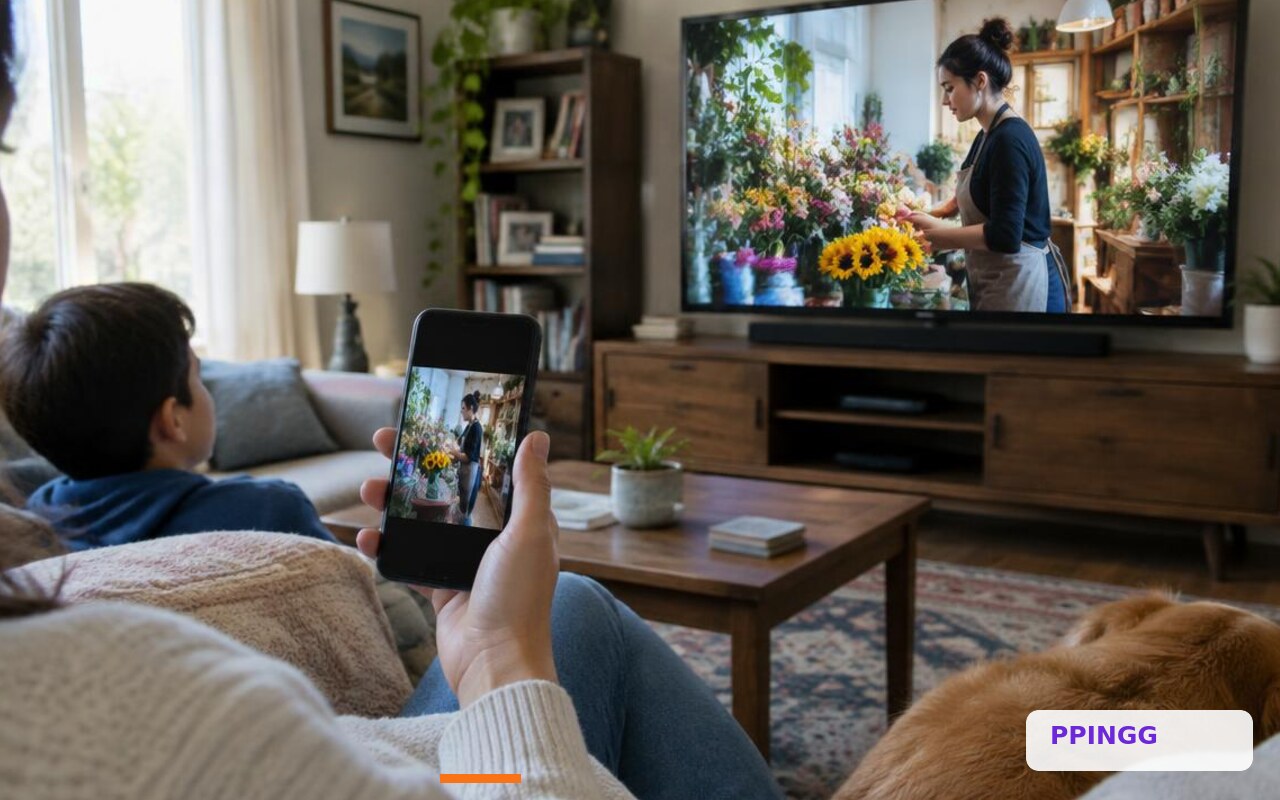
Connected TV and traditional television can both place a business on the largest screen in the home. The buying method is the major difference: traditional television often sells audiences around channels, programs, and geographic markets, while CTV can deliver individual impressions using digital campaign settings.
Neither channel is automatically right for every advertiser. The best choice depends on market size, audience, creative, budget, and the evidence the business needs after the campaign.
Key takeaways
- CTV usually offers more granular targeting and reporting controls.
- Traditional TV can provide broad local reach around known programming.
- CTV makes smaller, adjustable tests more practical.
- A fair comparison must use the same geography, audience, period, and outcome.
Side-by-side comparison
| Factor | CTV advertising | Traditional TV |
|---|---|---|
| Delivery | Streaming through internet-connected TVs | Scheduled broadcast or cable |
| Targeting | Geography plus eligible audience signals | Market, network, program, and time |
| Buying | Often impression-based CPM | Often spots, schedules, or packages |
| Optimization | Campaign settings may change during flight | Changes depend on the purchased schedule |
| Measurement | Digital delivery plus modeled outcomes | Ratings, reach, and other market-level measures |
Targeting and wasted reach
A local advertiser usually wants to avoid paying for viewers who cannot reasonably become customers. CTV can help narrow geography and audience, but very small targeting areas may limit delivery or increase repetition. Traditional TV can reach a market quickly, although part of that audience may live beyond the service area.
Measurement is different, not perfect
CTV creates digital delivery records, but television measurement remains fragmented. An impression does not prove that a person purchased. Household matching, website activity, search lift, calls, and sales trends can add evidence, but every method has limitations.
Traditional TV measurement often relies on panels, ratings, and market-level response. Whichever channel is used, document the baseline and choose outcomes before launch rather than searching for a favorable metric afterward.
When CTV may be the stronger choice
- The business serves a defined area or specialized audience.
- The budget needs to start smaller and adjust over time.
- The team wants clearer delivery, frequency, and completion reporting.
- Streaming audiences are central to the growth plan.
When traditional TV may still fit
- The objective is broad, rapid awareness across an entire market.
- Specific local programming or live events are important.
- The advertiser has the budget and creative to sustain a larger schedule.
- Existing research shows linear TV performs for the category and audience.
Keep exploring
Ready to put your business on TV?
Enter your website to discover the audience and business details PPINGG can use to start your campaign.
Start with your websiteFrequently asked questions
Is CTV cheaper than traditional TV?
CTV often allows smaller and more flexible entry points, but CPM and total cost vary. Compare equivalent audiences and geography rather than sticker prices alone.
Can CTV replace cable advertising?
It can replace or complement cable for some campaigns. The decision depends on where the target audience watches and how narrowly the business needs to target.
Which is easier to measure?
CTV generally provides more digital delivery data, but linking exposure to sales still requires a deliberate measurement plan.
Sources and further reading
This educational article provides general information, not legal, financial, or performance advice. Advertising availability, pricing, delivery, and measurement vary.